

Process Optimization for AP Production: How incremental improvements in feed control, cooling, and classifier speed significantly improve final product quality.
June 17, 2026
Product quality in Ammonium Perchlorate production depends on more than one major process decision— small changes across the line can also shape the final result. That is why process optimization often focuses on incremental improvements in areas such as feed consistency, cooling conditions, and particle separation. When those parts of the process perform more consistently, final product quality often improves with them.
Process consistency has a direct effect on Ammonium Perchlorate quality
Consistent output starts with a consistent process: When material flow shifts too much, thermal conditions drift, or particle separation becomes less stable, the final product can show a wider spread in particle characteristics from one run to the next. In powder manufacturing, that kind of variation can create downstream quality issues even when the line appears to be operating normally.
Incremental optimization matters because quality gains often come from reducing variation in key process areas rather than relying on one major equipment change. In a process built around tight specifications, even small improvements in consistency can have a meaningful effect on the final product. Broader powder and particle processing systems are often designed around that same principle.
Feed stability helps reduce avoidable variation
Feed stability is one of the clearest starting points for process improvement because fluctuation can make downstream steps more difficult to control. That element of inconsistency can impact how evenly material moves through the process and how consistently it reaches later separation or finishing stages.
A more stable feed pattern helps create a steadier operating environment through subtle improvements. In many cases, better feed control simply helps reduce unnecessary variability that would otherwise carry through the rest of the line. When manufacturers improve that first stage, they often create better conditions for the stages that follow. In broader powder operations, that kind of control often works alongside integrated mixing technologies and upstream process design decisions.
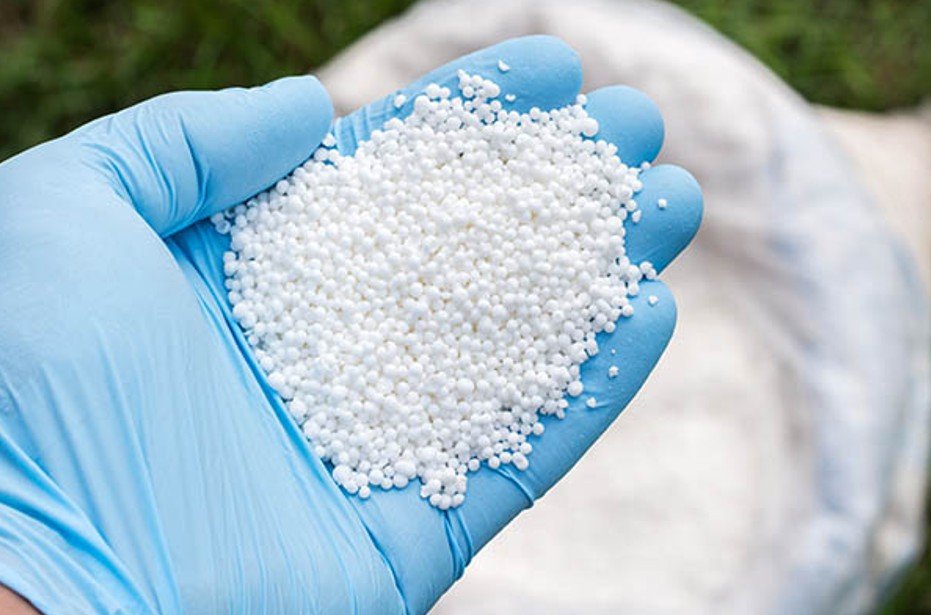
Cooling control can influence crystal quality
Maintaining stability in cooling conditions is critical for crystal development due to its contribution to the predictability of its growth. That can affect particle size distribution, morphology, and the consistency of the material entering later process steps.
Cooling control deserves close attention in quality-focused production because a more stable thermal profile can help support more uniform crystal formation and reduce unwanted variation before the material reaches final separation. In practice, even modest improvements in cooling consistency can make the product stream easier to manage later in the process. Related drying systems and broader thermal process considerations often support that larger goal of consistent material handling.
Classification helps tighten the final product window
Even when upstream steps perform well, final product quality still depends on separation. Classification helps determine which particles stay within the target range and which do not. If that step lacks stability, the finished product can show a wider size distribution than intended.
Better-controlled separation helps narrow the final product window and reduce the amount of material that falls outside the target range; support cleaner product streams and reduce the burden on downstream handling; and support more predictable levels of final quality. Pages on mills and classifiers and classifiers and air classifiers show how tighter particle separation supports overall process control.
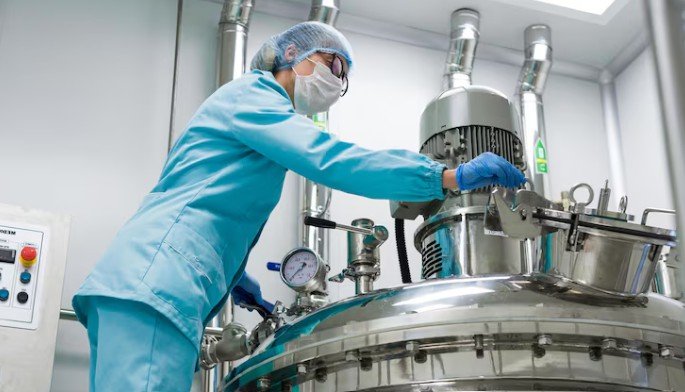
Small process improvements can add up across the line
One of the most useful lessons in powder manufacturing is that quality gains do not always come from one major change— in many cases, they come from several smaller improvements that reinforce each other. More stable feed conditions help the process begin in a more controlled state, while consistent cooling supports better crystal development. Reliable classification then helps tighten the final product window.
Together, those incremental gains can improve:
-
batch-to-batch consistency
-
usable yield
-
final product uniformity
-
overall process confidence
That kind of step-by-step optimization is often more practical than treating final quality as the result of one machine or one setting alone.
Quality improvement in AP production depends on control, not just capacity
In Ammonium Perchlorate processing, quality improvement is closely tied to process control. Stable feeding, consistent cooling conditions, and reliable classification can all help support a narrower and more predictable final product. That is why incremental process improvements can make a meaningful difference over time.
Because AP is a hazardous oxidizer, optimization efforts also need to stay grounded in formal process safety, internal operating procedures, and qualified engineering oversight. Process improvement is most effective when it supports both product quality and disciplined operating control.
For teams evaluating high-level powder process improvement strategies, Hosokawa Micron Powder Systems offers powder processing technologies and process expertise that support consistency, classification, and long-term manufacturing performance.