

How Hammer and Screen Mills Achieve Efficient Coarse Powder Size Reduction
June 17, 2026
When coarse powder size reduction is the goal, the milling method matters. Hammer mills and screen mills are widely used because they offer a practical way to reduce material efficiently while supporting controlled output. For manufacturers evaluating Mill Services, understanding how these systems work is an important first step in choosing the right processing approach.
Why Coarse Size Reduction Still Matters in Mill Services
In many operations, the immediate need is to reduce larger feed material into a controlled coarse powder that is easier to handle, blend, screen, or process further.
This matters because oversized or irregular material can create downstream challenges which affect flowability, make blending less consistent, or complicate packaging and handling. Coarse size reduction helps create a more manageable material before finer processing steps are introduced.
For many manufacturers, this stage is also about efficiency— instead of over-processing material early, they can use a milling method that delivers the needed size range for the next step in production.
How Hammer Mills Reduce Material Size
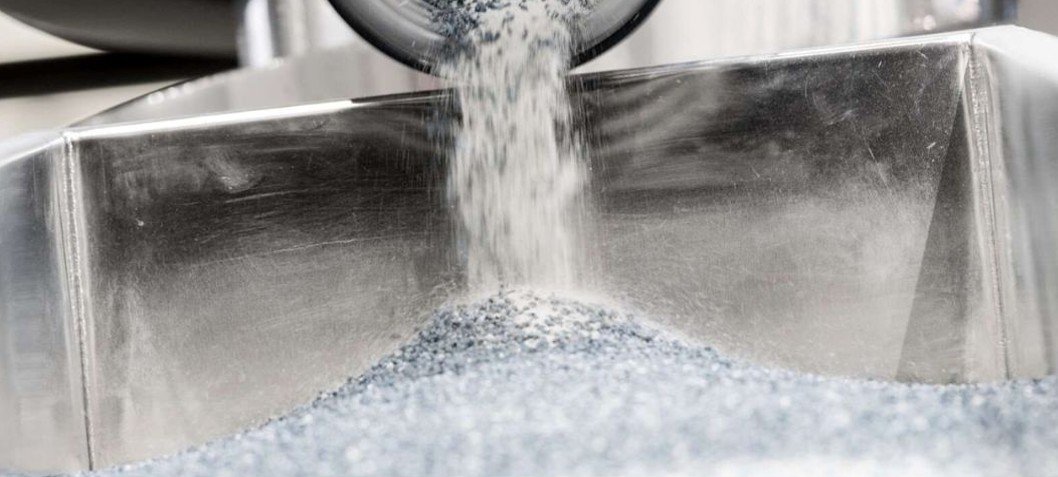
Hammer mills use rotating hammers to impact material and break it into smaller pieces. As feed enters the milling chamber, the hammers strike it repeatedly until the material is reduced enough to pass through the discharge area.
This method is well suited for coarse reduction because it combines mechanical simplicity with solid throughput potential. It can process a wide range of feed materials while producing a controlled output for many industrial uses.
Hammer mills are often used to reduce larger feed material before downstream processing. Depending on the application, they may be a good fit for:
-
chemicals that need controlled first-stage size reduction
-
mineral-based materials prepared for screening or blending
-
certain plastics or polymers that benefit from coarse reduction before further processing
Performance depends on several factors, including rotor speed, hammer configuration, feed characteristics, and discharge design. Material hardness, friability, moisture, and bulk density can all influence results.
When set up correctly, hammer milling provides an efficient first-stage reduction method that prepares material for the next production step. In some cases, that next step may include screening and classification services or further milling within a broader custom powder processing approach.
The Role of Screen Mills in Output Control
Screen mills also use impact-based reduction, but screen selection plays a larger role in controlling the finished particle size. As material is reduced, only particles small enough to pass through the screen openings leave the mill.
This makes screen mills especially useful in coarse powder processing when a more defined top size is required. They provide an added level of control over the output range without introducing a more complex system.
Screen mills are often used when tighter control over coarse output is needed. Depending on the application, they may be a good fit for:
-
materials that require a defined top size before downstream processing
-
applications where consistency between batches is important
-
powders that will move into blending, compounding, or packaging
Performance depends on screen selection, rotor configuration, and feed characteristics. Material properties such as friability, moisture content, and density can all influence how efficiently the process runs.
When set up correctly, screen mills help maintain more consistent output and reduce variability in downstream steps. This can support smoother transitions into mixing and blending services or further refinement through screening and classification services.

Factors That Influence Milling Performance in Mill Services
Beyond the mill itself, performance is also influenced by how the equipment, process settings, and feed material work together.
Material behavior is especially important— two feed materials may look similar at first but respond very differently in the mill. Friable materials may reduce quickly, while tougher or more elastic materials may require a different setup. Moisture content can also affect flow, breakage, and overall milling behavior.
Process variables such as screen selection, rotor speed, hammer configuration, and feed characteristics can all influence output, efficiency, and consistency. When these factors are aligned with the material, the milling step is more likely to support stable downstream processing.
This is especially relevant in custom powder processing environments, where feed materials can vary from one project to the next. In some cases, evaluating those variables may also involve particle size analysis before full-scale production begins.
Why Companies Outsource Coarse Powder Milling
For many businesses, outsourcing coarse powder size reduction offers practical advantages. Installing and maintaining in-house milling equipment can require capital investment, floor space, specialized labor, and ongoing maintenance support.
Working with a toll processing partner gives companies access to established equipment and powder processing expertise without taking on that full burden internally. It creates flexibility. A manufacturer can scale production, test material behavior, or respond to changing demand without committing to permanent equipment purchases.
This approach is especially valuable for companies that need reliable results but do not process the same material or volume every day. It allows them to use specialized capabilities as needed while keeping operations focused on core priorities through contract processing services.
A Practical Solution for Efficient Coarse Powder Reduction
Hammer mills and screen mills remain practical options for efficient coarse powder size reduction across a wide range of materials. When used in the right application, they can support better material handling, more consistent output, and smoother downstream processing.
For companies evaluating Mill Services, the decision is about choosing a processing approach that fits the material, the required output, and the broader production goal on top of just selecting a mill.
Hosokawa Custom Processing Services provides custom powder processing support for manufacturers that need dependable size reduction, process flexibility, and access to specialized milling capabilities. Contact Hosokawa Custom Processing Services to learn more about its mill services, contract manufacturing powders, and broader powder processing capabilities.