

How Air Classifiers Improve Product Purity and Reduce Waste in Manufacturing
June 17, 2026
In many manufacturing processes, particle size control influences product purity, usable yield, process efficiency, and how much off-spec material must be reworked or discarded. Air classifiers are important for when manufacturers need tighter particle separation and better control over fines or coarse material, classification becomes an important part of improving both product quality and material use.
Air classifiers separate particles with greater precision
Air classifiers separate particles by size, shape, and mass in an air stream. Instead of relying only on screens, they use aerodynamic forces to direct finer particles into one stream and coarser particles into another. That makes them useful when manufacturers need tighter cut points, narrower particle size distribution, or cleaner separation in fine powder applications.
That level of control matters because poor separation can affect the final product in several ways: too many coarse particles may reduce performance or consistency, but too many fines may affect flow, dust behavior, downstream handling, or usable output. A better classification step helps manufacturers remove unwanted fractions more deliberately instead of managing those problems later.
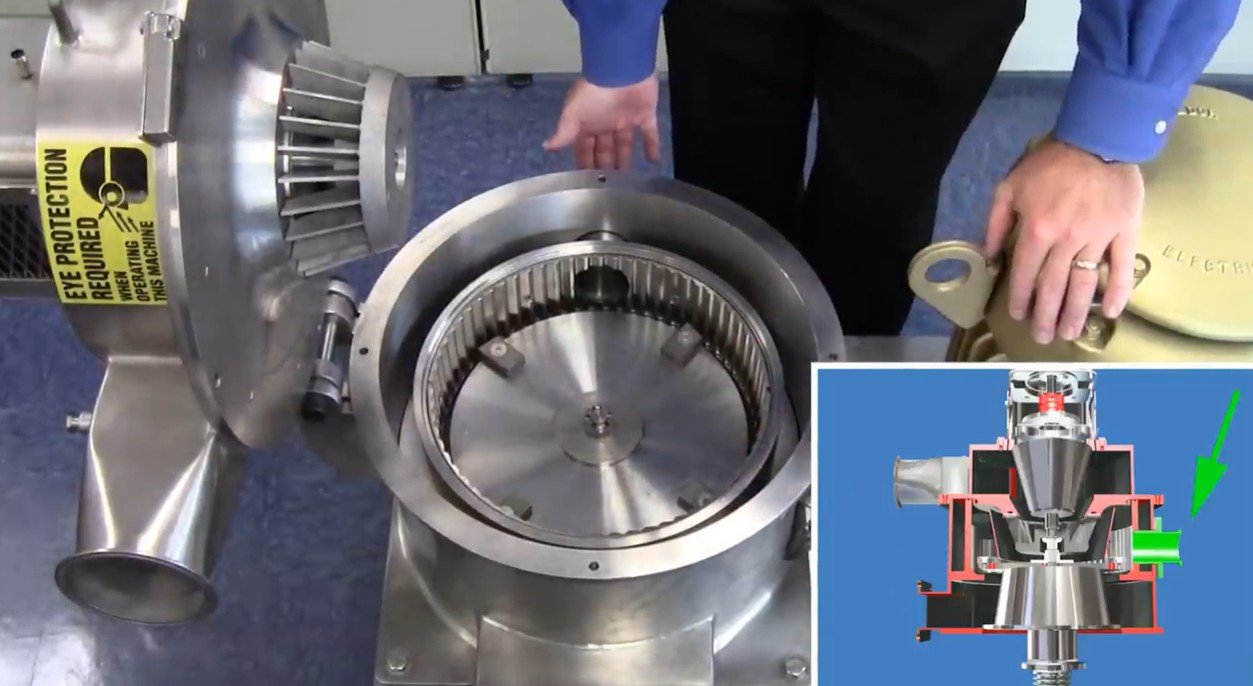
Better classification can improve product purity
Beyond raw material quality, purity also depends on how well the process removes unwanted particle fractions and material that falls outside the required size range. In many applications, a more selective classification step helps create a cleaner final product.
One reason why air classifiers are used in demanding powder applications is because they support precise separation in materials such as industrial fillers, fine chemicals, pigments, toners, and mineral products. In additive manufacturing powders, for example, product performance often depends on pure, stable, and flowable powders with tightly controlled particle properties.
This benefit becomes even clearer when performance depends on removing specific fractions. In those cases, finer control over classification can help support cleaner products and more targeted quality outcomes.
Air classifiers can reduce waste by recovering more usable product
Waste in powder processing does not only come from spills or disposal, it also often comes from material that falls outside the specification window. When a process produces too much off-size product, manufacturers may need to recycle it, rework it, downgrade it, or discard it. A more precise classification step can reduce that loss by helping more material stay within the usable range. Air classifiers offer an element of practicality because of their ability to help manufacturers recover usable fractions more deliberately instead of treating too much material as borderline or off-spec. Better classification can support:
-
higher usable yield
-
less rework
-
less downgraded material
-
lower waste tied to off-spec product
This value also appears in dry fractionation processes. In plant-based ingredient applications, for example, air classification can separate:
-
fine protein-rich fractions
-
coarser starch-rich fractions
That kind of targeted separation helps manufacturers create usable end products from multiple fractions rather than treating more material as waste.
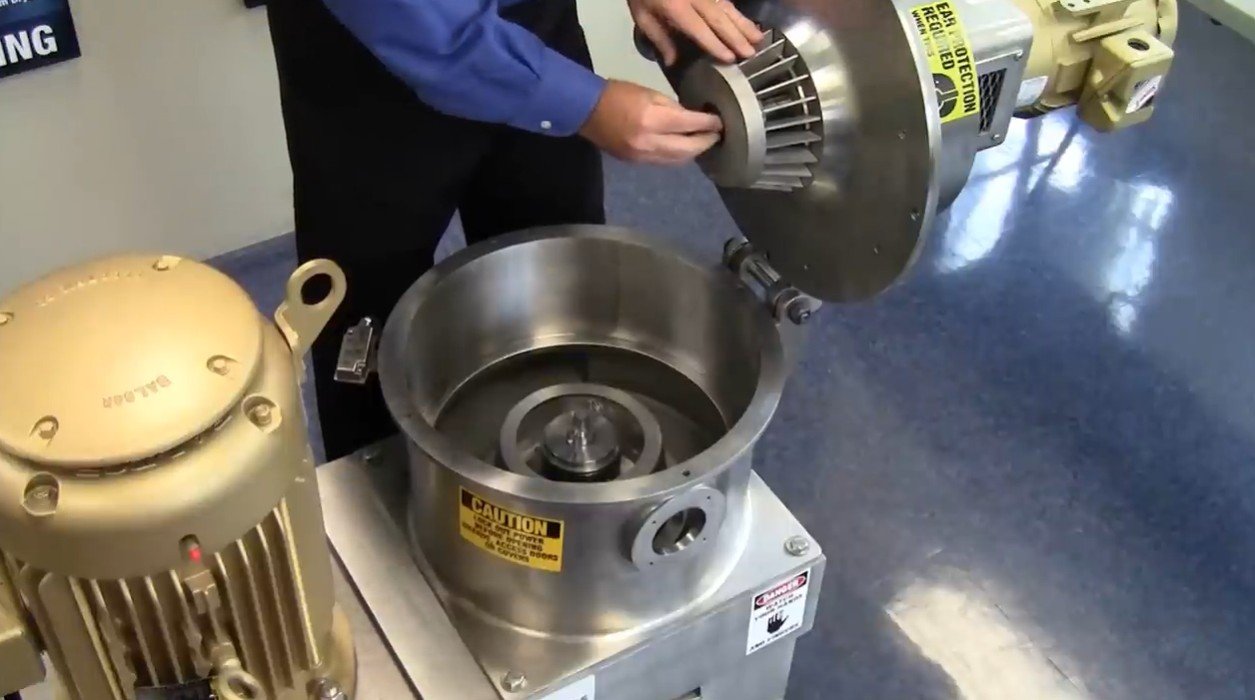
Classification supports more efficient downstream processing
A cleaner particle cut can also make downstream operations easier to manage. Powders with tighter size distribution often behave more consistently in blending, conveying, agglomeration, drying, packaging, and end use. When too many coarse particles or fines remain in the stream, those later steps may become harder to control.
A better separation step can reduce extra handling, lower rework, and help downstream equipment run more consistently, showing how air classifiers support efficiency. In integrated powder processing lines, classification often works alongside milling, drying, agglomeration, and handling to support cleaner and more consistent output. Powder and particle processing and processing systems for carbon black help show how classification fits into wider manufacturing lines rather than acting as a standalone step.
Air classifiers can support flexibility across materials and applications
Different materials may require different cut points, fineness ranges, wear protection, cleanability, or throughput targets, making flexibility critical when selecting classification technology.
Official classifier pages show a broad application range for air classifiers, including minerals, fillers, fine chemicals, pigments, toners, cocoa, additive manufacturing powders, and other specialty materials. Product pages also highlight capabilities such as ultrafine classification, low-wear operation, easy cleaning, and customization for specific process requirements.
That range matters because the classification step often needs to align with both the material and the business goal. One operation may focus on purity, while others may prioritize yield, dedusting, or a specific particle size target. A classification system that better matches those needs gives manufacturers more control over both product quality and material efficiency.
Air classifiers help manufacturers improve quality while using material more efficiently
The value of air classifiers goes beyond particle separation alone— they help manufacturers improve product purity, narrow particle size distribution, recover more usable fractions, and reduce waste tied to off-spec material. They can also support more stable downstream processing and better alignment between process output and product requirements.
For manufacturers evaluating ways to produce cleaner powders and reduce material loss, classification deserves close attention. A more precise separation step can improve both quality and efficiency at the same time. For teams exploring classification solutions, Contact Hosokawa Micron Powder Systems offers air classifier technology and process expertise to support purity, yield, and long-term manufacturing performance.