

Best Practices for Industrial Bulk Packaging of Dry Powder Materials
June 17, 2026
When handling Dry Powder materials at industrial scale, bulk packaging is more than a final step— it plays an important role in how powder is prepared for storage, transport, and use. For manufacturers evaluating bulk packaging practices, understanding what supports cleaner handling, better protection, and more reliable pack-off is an important place to start.
Why Dry Powder Packaging Must Match Material Behavior
If the packaging does not match the material, problems can develop quickly. Powders may absorb moisture, compact during transport, leak during handling, or become harder to discharge at the customer site. Poor packaging can also increase contamination risk or product loss.
Packaging should be part of the overall powder handling strategy because not all dry powders behave the same way. Some flow easily, while others bridge, compact, segregate, or hold static. Packaging decisions should reflect those differences.
A free-flowing mineral powder may package and discharge differently than a lighter polymer powder or a more cohesive chemical blend. Particle size, bulk density, moisture sensitivity, and flow properties can all influence how the powder behaves once it enters a bag, bulk sack, drum, or other container.
The best results usually come from choosing packaging methods that match the powder’s handling characteristics and the customer’s requirements.
Choose Bulk Packaging Formats That Fit the Application
The right packaging format depends on volume, handling needs, transport conditions, and end-use requirements. HCPS lists packaging services as part of its powder processing support and notes packaging options such as bulk bags, drums, and paper or plastic bags. Its site also highlights packaging and bulk filling alongside other processing capabilities.
In industrial settings, common bulk packaging options may include:
-
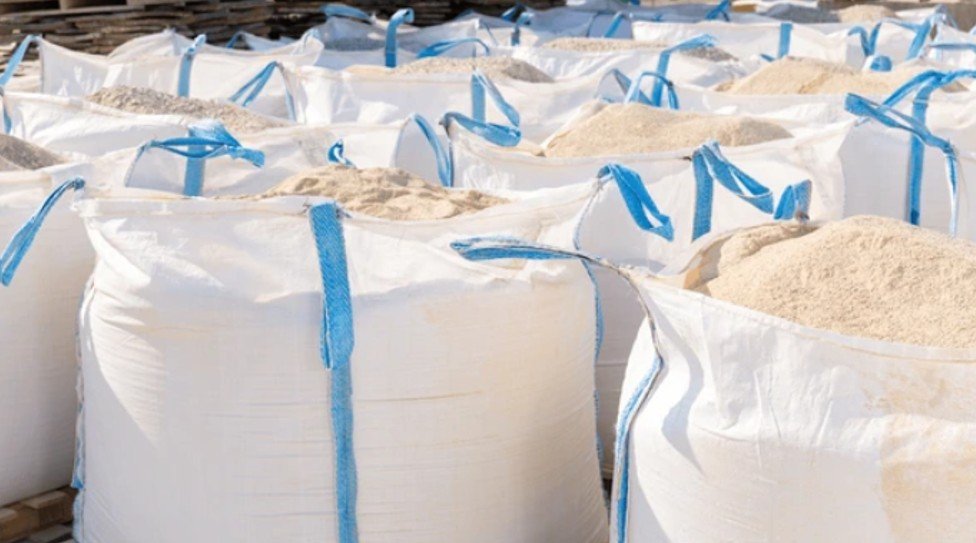
bulk sacks for higher-volume material handling
-
drums for powders that need more controlled containment
-
lined containers for materials that require added protection
-
smaller bags when portion control or easier handling is needed
The best choice should support both product protection and plant efficiency— a format that works well in one operation may not work as well in another if the material behaves differently or if the receiving process requires a different discharge method.
Protect Dry Powder Quality During Filling and Sealing
Filling and sealing practices can directly affect powder quality; if material sits exposed too long, fills inconsistently, or seals poorly, the risk of moisture uptake, contamination, or product loss can increase. Consistent fill weights support inventory accuracy, easier handling, and better customer confidence. Strong sealing also matters, especially for powders that are moisture sensitive or fine enough to create dust during transport.
For many operations, the goal is to keep packaging controlled and repeatable. That means using equipment and procedures that support accurate filling, reliable closure, and cleaner transfer from processing to pack-off. A well-managed packaging step also helps protect the value of upstream processing work. If filling and sealing are inconsistent, even a well-processed powder can arrive in poorer condition than expected.
Reduce Segregation and Handling Problems During Pack-Off
Packaging should help preserve powder consistency, not work against it. Some materials can segregate during transfer, filling, or transport if particle sizes or densities vary too widely. Others may compact and become harder to discharge after storage.
To reduce those risks, processors often need to think beyond the package itself. Transfer method, drop height, fill rate, and container choice can all affect how the powder behaves in bulk packaging.
This becomes especially important for blended materials or powders that must meet tighter quality targets. When uniformity matters, support from mixing and blending services before pack-off can help improve consistency through the packaging step. Screening and classification services can also help align particle distribution with packaging and downstream handling needs.

Keep Bulk Packaging Aligned with Downstream Needs
Good bulk packaging should support what happens next: warehousing, shipping, customer handling, or additional internal processing. No matter which step, the package should make those steps easier, not harder. For example, the receiving operation may need a package that works with specific discharge equipment. A customer may need a certain package size for batch use. Storage conditions may also require added protection from humidity or contamination.
When packaging aligns with downstream needs, it supports smoother material flow from one stage to the next. That can reduce repackaging, simplify handling, and help preserve consistency through the supply chain. In practice, packaging decisions should reflect more than the processing line. They should also reflect how the customer receives, stores, opens, and uses the material.
Why Many Manufacturers Outsource Dry Powder Packaging
For many companies, industrial bulk packaging requires more than floor space and containers. It also requires controlled handling, consistent procedures, and equipment suited to the material. Working with an experienced processing partner can help manufacturers manage that step more efficiently. HCPS positions packaging and bulk filling as part of its broader custom processing support, alongside size reduction, blending, screening, and particle size analysis.
That approach can be especially useful for companies with changing production volumes, short-run requirements, or materials that need more careful handling. It can also help connect packaging with the rest of the powder workflow so product quality stays better protected from processing through final pack-off.
A Practical Approach to Dry Powder Bulk Packaging
Industrial bulk packaging works best when it supports both the material and the process. The goal is not only to place powder into a container. It is to protect quality, reduce handling issues, and prepare the material for storage, transport, and use.
For companies handling Dry Powder materials, the most effective approach usually matches packaging to material behavior, application requirements, and downstream needs. Hosokawa Custom Processing Services supports manufacturers with packaging services and broader powder processing capabilities that help protect product quality and improve handling efficiency. Contact us to learn more about HCPS packaging support and related processing services.